
Hospital Safety Doesn’t Have Business Hours
911Cellular
|
In this installment of our Workplace Violence Prevention Month blog series, we’re digging into the practical role that healthcare executives can play in preventing workplace violence.
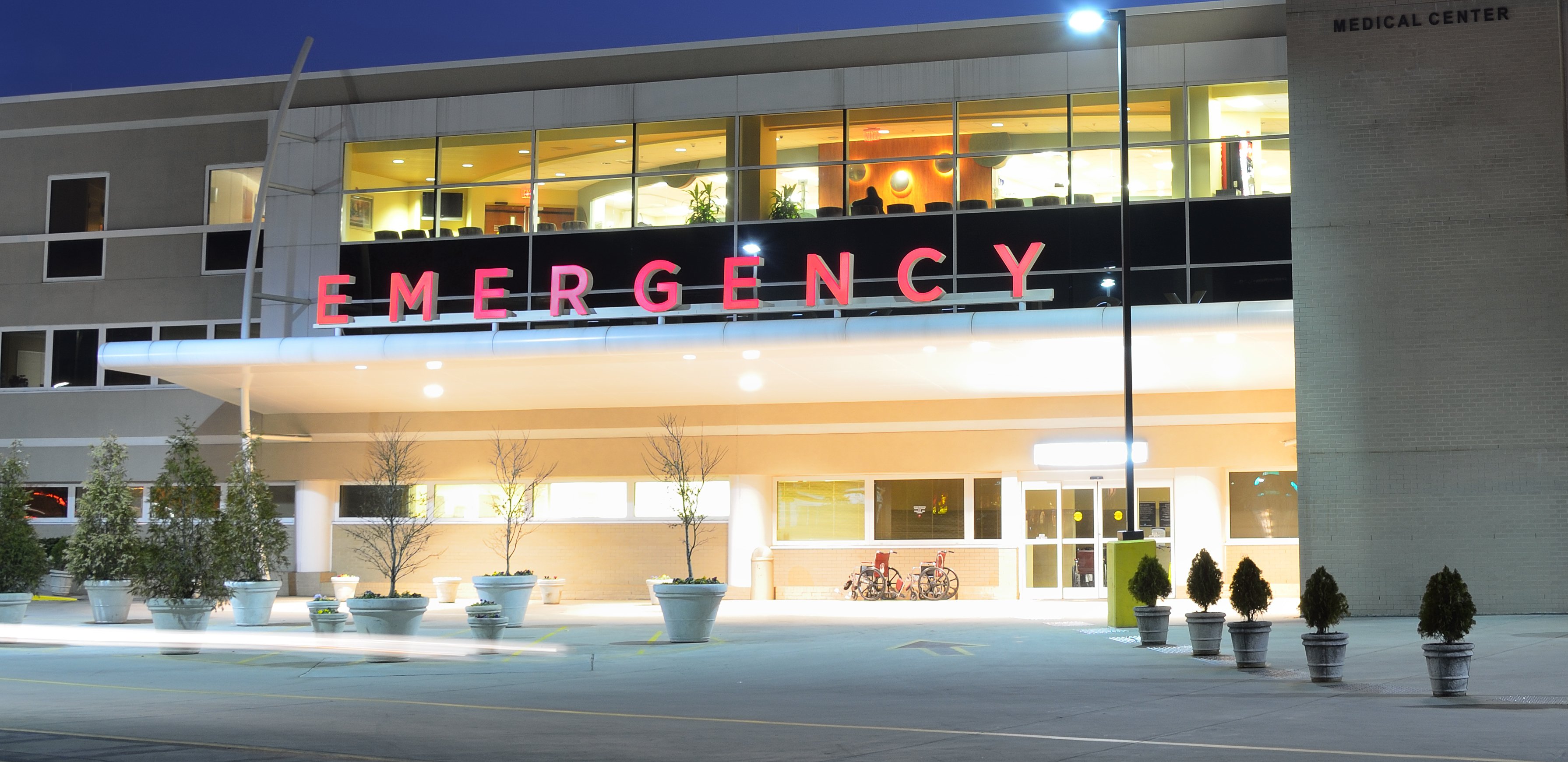
Hospitals are unique, 24/7 ecosystems where care never stops. The primary challenge for healthcare leadership is often logistical: while executive accountability for safety is a constant commitment, many critical incidents occur outside of traditional business hours– think night shift, weekends, holidays– when executive visibility is naturally limited.
This is the gap we’re looking to address. What does balancing reality with oversight look like for healthcare leaders, and what is the best course of action to achieve that balance?
The “Three-Shift Reality”
The health systems making the most meaningful progress on workplace violence prevention have found the balance for their facilities not by demanding more of their leaders’ time, but by building systems that allow for centralized, around-the-clock oversight into incidents.
This oversight is particularly critical for staff working outside of core business hours. These teams often operate with fewer resources, less administrative support, and limited real-time visibility from leadership. Press Ganey’s State of Healthcare Safety 2026 report put this difference into perspective: night-shift employees are currently 4x more likely to experience violence than their day-shift counterparts.
Perhaps more concerning is the assessment that night-shift staff are 17% less likely to believe their organization cares about their personal safety.
In an interview with HealthLeaders Media, Adventist HealthCare CMO Patsy McNeil put it this way: “Senior leadership cannot address workplace violence on the day shift differently than they address workplace violence on the night shift.”
When Leadership Presence Matters
There are moments when executive presence carries real weight.
Adventist HealthCare’s “Code Bronze” protocol is a strong example: when a staff member identifies that a patient interaction is escalating, they can call a Code Bronze, which brings hospital executives directly to the bedside.
As Dr. McNeil describes it, “Having the hospital president, CMO, or CNO come to the bedside shows that senior leaders support the frontline care teams.” That kind of response is powerful, but it also depends on timing and proximity. It’s effective when leaders are physically in the building and close enough to respond quickly.
Incidents that happen overnight, across multiple facilities, or outside core hours don’t have the same advantage. That’s where a centralized, always-on safety platform comes in.
It’s by no means a substitute for in-person leadership presence, but the system becomes the way leadership stays connected to what’s happening.
What Always-On Oversight Requires
An always-on safety approach needs to do more than send alerts at all hours.
Leaders need access to clear, actionable information in real time. When a critical incident occurs, they should be able to see what’s happening, where it’s happening, who is involved, and how the response is progressing. paired with established follow-up actions, ensures that critical details are never lost or delayed in fragmented reporting. Most importantly, it serves as a tangible signal to staff that leadership truly cares about their well-being at all hours.
The follow-through matters just as much.
When incidents are clearly automatically documented, timestamped, and archived, they won’t get lost in fragmented reporting or delayed reviews. Patterns are easier to identify. It gives leadership the visibility they need to take action as soon as they are back in the facility, making accountability a natural part of the process rather than something that depends on who happens to be present.
Not Every Incident Needs the CEO at Midnight
One of the most practical arguments for a configurable safety platform is also one of the most underappreciated: leaders need to be able to define, in advance, what they want to know about and when.
A serious violent event should reach leadership right away, regardless of the hour. A lift assist request likely shouldn’t.
Without these clear distinctions, organizations risk two extremes:
- Alert Fatigue: Where everything is flagged, and the most critical events get lost in the noise.
- Under-Notification: Where critical safety failures take too long to reach the people responsible for systemic change.
A configurable system gives leaders control over how information flows. They can determine which incident types require real-time notification, who is alerted and when, and who is responsible for what aspect of the response and follow-up process.
The system stays active and responsive around the clock; leadership stays informed without being overwhelmed.
Sustaining a Culture of Protection
The risk of workplace violence doesn’t pause when the administrative offices close for the day. Consequently, the expectation of protection and the standard of accountability must remain constant across every shift.
For healthcare leaders, the goal isn’t constant physical presence. It’s making sure the systems in place continue to function when leadership isn’t in the building.
As we navigate Workplace Violence Prevention Month, every C-Suite leader should strive to create an environment where people feel informed, supported, and ready to act. In a world of 24/7 healing, a caregiver’s safety should never depend on the time of day.
Related Articles
Building a Systemwide Response to Workplace Violence in Healthcare
As part of our Workplace Violence Prevention Month series, we are exploring how healthcare systems...
How Visible Safety Infrastructure Helps Universities Thrive
In higher education, we often define the "student experience" through achievements: a vibrant...
Workplace Violence Prevention Month: Understanding Foundational Safety in Healthcare
April is Workplace Violence Prevention Month, a dedicated time to pause and evaluate how healthcare...
Virginia Enacts Alyssa’s Law, Expanding School Safety Options
Virginia has officially enacted Alyssa’s Law, becoming the 12th state to pass legislation focused...
911Cellular Heads to IAHSS 2026
If you’re heading to the 2026 IAHSS Annual Conference & Exhibition in New Orleans this April 12-15,...